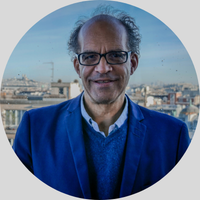

Michel Aurrand-Lions
Bone marrow niche organization in normal and pathological haematopoiesis
08:10 – 08:35 Invited speaker: Julia Christine Gutjahr (Switzerland)
Multiple Facets of CXCR4 Signaling During Erythropoiesis
08:35 – 09:00 Invited speaker: Pedro Gonzalez-Menendez (Spain)
Title: pending
09:00 – 09:15 Selected oral abstract
09:15 – 09:30 Selected oral abstract
09:30 – 09:45 Selected oral abstract
09:45 – 10:00 Selected oral abstract
10:30 – 10:55 Invited speaker: Olivier Hermine (France)
VEXAS anemia is a mosaic erythroblastopenia
10:55 – 11:20 Invited speaker: Rami Khoriaty (United States)
Congenital Dyserythropoietic Anemia Type II: From Molecular Pathogenesis to Therapeutic Discovery
11:20 – 11:35 Selected oral abstract
11:35 – 11:50 Selected oral abstract
11:50 – 12:05 Selected oral abstract
12:05 – 12:20 Selected oral abstract
13:40 – 14:05 Invited speaker: Peng Ji (United States)
Targeting Plek2 signalosome for polycythemia in myeloproliferative neoplasms.
14:05 – 14:30 Invited speaker: Lars Hanssen (UK)
Mechanisms of disordered erythropoiesis in Diamond-Blackfan Anaemia Syndrome14:30 – 14:45 Selected oral abstract
14:45 – 15:00 Selected oral abstract
15:00 – 15:15 Selected oral abstract
15:15 – 15:30 Selected oral abstract
08:10 – 08:35 Invited speaker: Simon Mendez (France)
Title: pending
08:35 – 09:00 Invited speaker: Stephan Gekle (Germany)
Modeling the red cell in silico.
09:00 – 09:15 Selected oral abstract
09:15 – 09:30 Selected oral abstract
09:30 – 09:45 Selected oral abstract
09:45 – 10:00 Selected oral abstract
10:30 – 10:55 Invited speaker: Loïc Garçon (France)
Title: pending10:55 – 11:20 Invited speaker: Andreas Glenthøj (Denmark)
Title: pending11:20 – 11:35 Selected oral abstract
11:35 – 11:50 Selected oral abstract
11:50 – 12:05 Selected oral abstract
12:05 – 12:20 Selected oral abstract
14:10 – 14:35 Invited speaker: Paula Bianchi (Italy)
Title: pending14:35 – 15:00 Invited speaker: Audrey Belot (France/USA)
Title: pending15:00 – 15:15 Selected oral abstract
15:15 – 15:30 Selected oral abstract
15:30 – 15:45 Selected oral abstract
15:45 – 16:00 Selected oral abstract
08:10 – 08:35 Invited speaker: Jacques Chiaroni (France)
Title: pending08:35 – 09:00 Invited speaker: Nicholas S. Gleadall (United Kingdom)
Title: pending09:00 – 09:15 Selected oral abstract
09:15 – 09:30 Selected oral abstract
09:30 – 09:45 Selected oral abstract
09:45 – 10:00 Selected oral abstract
10:30 – 10:55 Invited speaker: Pascal Amireault (France)
11:20 – 11:35 Selected oral abstract
11:35 – 11:50 Selected oral abstract
11:50 – 12:05 Selected oral abstract
12:05 – 12:20 Selected oral abstract
14:10 – 14:35 Invited speaker: Ana Belén Pérez Oliva (Spain)
Nanomedicine-Based mRNA Therapy to Restore Erythrocyte Maturation in β-Thalassemia14:35 – 15:00 Invited speaker: Erica Sparkenbaugh (United States)
Sickle Cell Disease – a Vascular Biology Perspective
15:00 – 15:15 Selected oral abstract
15:15 – 15:30 Selected oral abstract
15:30 – 15:45 Selected oral abstract
15:45 – 16:00 Selected oral abstract
Departure
France
Doctor Pascal Amireault obtained a PhD in Biomedical Sciences from Université de Montréal in 2005. He is currently a permanent full-time research scientist for INSERM and Associate Director of the “Tissue Biology of Red Blood Cells” laboratory at Necker hospital in Paris. His main research interest seeks to understand the red cell in vitro aging process during blood bank storage and its impact on the red cell post-transfusion fate in the recipient, including the identification of mechanisms determining red cell clearance by the spleen.
France
Dr. Michel AURRAND-LIONS PI Team "Leuko/stromal interactions in normal and pathological hematopoiesis", CRCM/UMR1068 Co-head of the IPC/CRCM Experimental Pathology facility (ICEP). Michel Aurrand-Lions, immunologist by training, made seminal contributions to our understanding of adhesive network regulating immune system and haematopoietic homeostasis. He is using mouse models to study bone marrow niche alterations occurring at early stages of acute myeloid leukemia development with single cell technologies and spatial transcriptomics. He reported ligand/receptor pairs involved in hematopoietic stem cell maintenance and identified new biomarkers for acute myeloid leukemia.
France
France
PIEZO1 and Gárdos channels: new insights into red cell and erythropoiesis defects
Germany
Stephan Gekle is a theoretical physicist heading the Biofluid Simulation and Modeling Group at the University of Bayreuth (Germany). He studied physics in Stuttgart (Germany) and Valladolid (Spain). In 2009, he obtained his PhD from the University of Twente (The Netherlands) on the splashing of water surfaces after the impact of an object. During his PostDoc between 2009 and 2012 at the Technical University of Munich (Germany) he became interested in biological physics questions. Since 2012, he is leading his own research group at the University of Bayreuth (Germany) with a particular focus on modeling of blood flow.
United Kingdom
Large-scale array genotyping of transfusion-relevant blood cell antigens
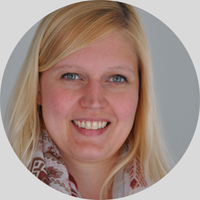
Switzerland
Dr. Julia Christine Gutjahr is an independent research group leader based in Switzerland with expertise in chemokine receptor biology and intracellular signaling.
She received her PhD training in the field of hematological malignancies, which shaped her interest in hematopoietic signaling pathways.
Her current work focuses on non-canonical and intracellular functions of the chemokine receptor CXCR4, including its roles in erythroid cells, bridging fundamental chemokine biology with questions relevant to hematopoiesis and disease.
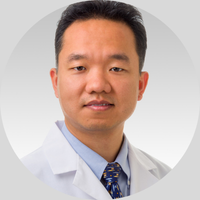
USA
Dr. Peng Ji is a physician-scientist and tenured Professor of Pathology at Northwestern University, where he serves as Vice Chair for Research and holds the Marie A. Fleming Research Professorship. His research focuses on the mechanisms of terminal erythropoiesis and how deregulated pathways in erythropoiesis contribute to myeloid diseases.
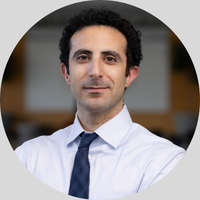
USA
Dr. Rami Khoriaty is Associate Professor of Internal Medicine, Associate Professor of Cell and Developmental Biology, and Section head of Classical Hematology, at the University of Michigan. He runs a lab focused on 1) studying normal and defective erythropoiesis, 2) dissecting the molecular mechanisms of rare erythroid disorders, and 3) studying the biology of globin switching. His work is funded by grants from the NIH and others.
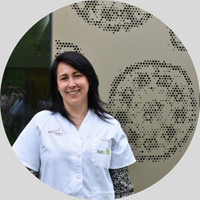
Spain
Ana Belén Pérez Oliva is Principal Investigator at the Murcian Institute for Biosanitary Research in Murcia, Spain, where she has led her own research group since 2021. Recipient of the UNESCO–L’Oréal For Women in Science Award (2022), she currently leads national research projects and coordinates the European Commission project NANEMIAR. https://ocailab.imib.es.
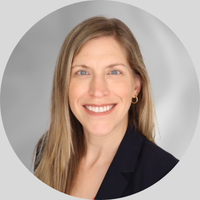
Erica Sparkenbaugh, PhD is an Assistant Professor in the Department of Pathology and Laboratory Medicine (DPLM) at the University of North Carolina at Chapel Hill. She joined the department in September 2024 and is also faculty in the Pathobiology and Translational Sciences (PBTS) PhD program and a member of the UNC Blood Research Center. Dr. Sparkenbaugh’s research focuses on the mechanisms linking coagulation, inflammation, and vascular complications in blood disorders such as sickle cell disease and β-thalassemia, with an emphasis on translational approaches and women’s health. She earned her BS in Biology from Allegheny College and her PhD in Pharmacology & Toxicology from Michigan State University, and completed postdoctoral training in hematology at UNC Chapel Hill. Her work bridges basic science and clinical relevance to advance understanding of thrombo-inflammatory disease processes.